Detroit Moisture Control: A Practical Guide for Homeowners
Why Moisture Matters in Detroit Homes
If you own a home in Detroit, you have likely dealt with moisture at some point. It might be a damp basement after a heavy rain, a musty smell in a crawl space, or peeling paint on an interior wall. These are not just cosmetic problems. Left unchecked, moisture leads to mold growth, wood rot, and even structural damage. The local climate, with freeze-thaw cycles and heavy spring rains, puts extra pressure on aging foundations. That is why understanding Detroit moisture control is so important for protecting your property and your family’s health.
Over the years, I have worked with dozens of homeowners in neighborhoods from Corktown to the North End. Almost every story starts the same way: a small leak that turned into a big headache. The good news is that most moisture problems are fixable. The key is knowing where to look and what to do first.
Finding the Source of Moisture
Before you can fix moisture, you need to find it. A professional mold inspection is a smart first step. Inspectors use tools like a thermographic camera to see temperature differences in walls and floors. These cameras reveal hidden damp spots that the naked eye would miss. They can also detect drafts and insulation gaps that let humid air condense inside your home.
Another useful tool is a humidity monitor. Place one in your basement or crawl space and track the readings over a week. If relative humidity stays above 60 percent, you have a moisture problem that needs attention. Many homeowners are surprised to learn that the air in their basement is more humid than the air outside.
Basement and Foundation Waterproofing
Basement moisture is one of the most common complaints in Detroit. The classic Michigan basement with its block walls and shallow footing is especially prone to seepage. The main culprit is often hydrostatic pressure. When soil around your foundation gets saturated, water pushes against the walls and floor. Over time, that pressure forces moisture through cracks and pores in the concrete.

Effective basement waterproofing starts with controlling water outside the house. Foundation drainage is critical. Make sure your gutters and downspouts carry water at least six feet away from the foundation. If you still see water pooling near the walls, you may need a perimeter drain tile system. This is a perforated pipe buried around the footing that carries water to a sump pump or daylight outlet.
For homes with persistent wet basements, wet basement repair often involves excavating the exterior walls, applying a waterproof coating, and installing drainage. It is a big job, but it solves the problem at its source. Interior solutions like interior vapor barrier systems can also help. These are heavy plastic sheets applied to walls and floors that block moisture from entering the living space. They work best when combined with a dehumidifier.
Crawl Space Encapsulation
Not every home has a full basement. Many Detroit bungalows and ranches have crawl spaces. These tight areas are magnets for moisture. Dirt floors allow ground moisture to evaporate into the air. That damp air then rises into your home through floor joists and ductwork.
Crawl space encapsulation is a proven fix. It involves sealing the crawl space floor with a thick vapor barrier, insulating the walls, and sometimes adding a ventilation fan to improve air exchange. A properly encapsulated crawl space stays dry year-round. It also makes your home more energy efficient because the insulation stops cold air from seeping into your floors.
I have seen crawl spaces that looked like swamps before encapsulation. After the work was done, the homeowners reported less dust, fewer allergies, and no more musty smells. It is one of those improvements that pays for itself over time.
Mold Remediation and Air Quality
Where there is moisture, mold is never far behind. Mold spores are everywhere in the air. They only become a problem when they find a wet surface to grow on. EPA mold guidelines recommend fixing moisture problems within 24 to 48 hours to prevent mold growth. If you have visible mold, the first step is to stop the water source. Then the mold must be removed carefully to avoid spreading spores.
For small areas, you can clean mold with detergent and water. For larger areas, or if mold has gotten into drywall or insulation, professional help is safer. Remediation crews use containment barriers and negative air machine setups to prevent spores from traveling to other rooms. A HEPA air scrubber running during the work captures fine particles and keeps indoor air clean.
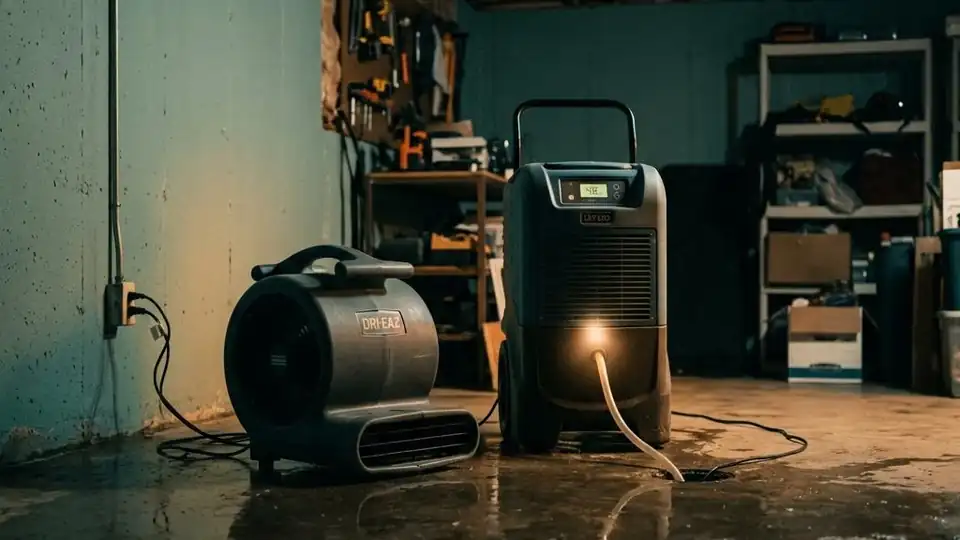
After remediation, many homeowners install a dehumidifier in the basement or crawl space to keep humidity below 50 percent. This simple step makes it much harder for mold to return. Some also use UV-C light treatment on HVAC coils and ducts to kill any lingering mold or bacteria. UV-C is a non-chemical method that works well in sealed systems.
Preventive Measures for Long-Term Control
The best approach to Detroit moisture control is prevention. Once you have dried out your home and fixed the leaks, there are several things you can do to keep moisture at bay.
- Keep gutters and downspouts clear of debris. Clogged gutters dump water right next to the foundation.
- Grade soil away from the house. The ground should slope at least six inches over ten feet.
- Seal cracks in basement walls and floors with hydraulic cement or epoxy.
- Use a dehumidifier in the basement during humid months. Empty the tray or connect it to a floor drain.
- Check for plumbing leaks under sinks and around water heaters. A slow drip can raise humidity levels.
Another important concept is vapor intrusion. This happens when moisture vapor from the soil moves through the concrete slab and into your home. In some cases, vapor intrusion can also bring soil gases like radon with it. A vapor barrier under the slab or on top of it can block this path. If you are finishing a basement, use mold-resistant drywall and metal studs instead of wood. These materials do not give mold a food source.
When to Call a Professional
Some moisture problems are simple to fix. You can clean a gutter, patch a small crack, or run a dehumidifier on your own. But other issues require specialized knowledge and equipment. If you have ongoing wet basement repair needs, or if you suspect hidden mold behind walls, a professional is the safe choice.
Look for a contractor who follows EPA mold guidelines and uses proper containment. Ask about their experience with crawl space encapsulation and interior vapor barrier installation. A good contractor will also check for vapor intrusion and test the soil drainage around your foundation. They should use a thermographic camera during the inspection to find hidden moisture.
I have seen homeowners spend money on cheap fixes that did not last. A sump pump that is undersized, a dehumidifier that is too small, or a patch that fails after one season. Investing in a thorough assessment and quality work the first time saves money and frustration in the long run.

Final Thoughts
Moisture control in Detroit is not just about keeping a basement dry. It is about protecting the structure of your home and the health of everyone inside it. The climate here is tough on buildings, but with the right strategies, you can stay ahead of the problem.
Start with a good mold inspection. Use a humidity monitor to track conditions. Fix foundation drainage and consider crawl space encapsulation if you have a crawl space. For persistent moisture, talk to a professional about interior vapor barriers and dehumidifiers. And always remember that stopping water outside is more effective than fighting it inside.
Detroit moisture control is a challenge, but it is one you can meet with the right knowledge and a little effort. Your home will feel better, smell cleaner, and last longer.